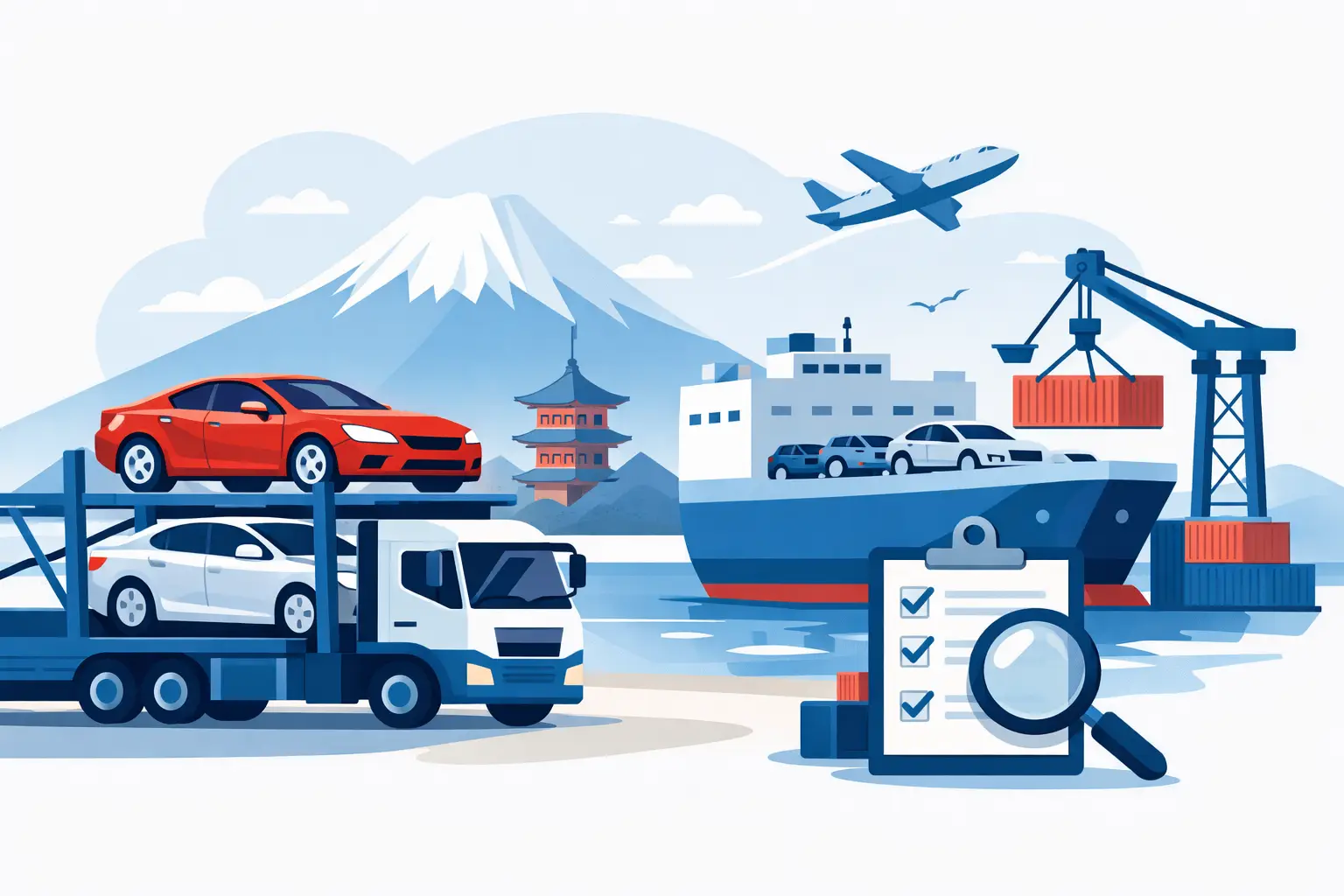
Buying a vehicle from Japan is exciting right up until the practical questions hit. How long will it take? What paperwork is involved? What happens after you win the car? The japan car shipping process is where great deals and dream cars either stay on track or get delayed by preventable mistakes. If you understand the flow from purchase to port delivery, the entire import experience feels far more manageable.
For many buyers, the biggest misconception is that shipping starts the moment the car is purchased. It does not. Before a vehicle ever gets on a vessel, it has to move through a chain of checks, paperwork, scheduling, and port handling inside Japan. Some of these steps are fast. Others depend on the car, the destination country, the shipping line, and the time of year.
How the japan car shipping process actually works
The process usually begins right after the vehicle is secured, whether that means an auction win, a dealer purchase, or a direct stock unit. At that point, the exporter confirms ownership documents, arranges inland transport if the vehicle is not already near the export port, and prepares the car for export handling. This stage matters more than most first-time buyers expect because small paperwork issues can slow down everything that follows.
Once the vehicle is under control, the exporter books space on a ship. That booking depends on the destination port, the shipping method, vessel schedules, and whether the car is drivable. If you are shipping a standard passenger vehicle, Roll-on/Roll-off shipping is often the simplest option. The car is driven onto the vessel and secured for transport. If you are shipping a high-value car, non-running unit, parts, or multiple vehicles, container shipping may make more sense. It usually costs more, but it can offer added flexibility and protection.
Before departure, the exporter also handles Japanese customs procedures and prepares the export certificate and shipping documents. The shipping line then issues the Bill of Lading once the car is loaded or once the booking is finalized according to the line’s process. That document becomes one of the key records used for cargo release at the destination.
The key stages from purchase to departure
Every shipment has its own details, but the flow is usually consistent. After purchase, payment has to clear. Then the vehicle needs to be released by the auction house or seller. After that, inland transport moves it to the export yard or port area. At the yard, the car may be inspected, photographed, cleaned, measured, and checked against its documents.
This is also where destination-country requirements start to shape the timeline. Some markets need additional inspections, emissions-related paperwork, or age verification. Buyers in the US often focus on eligibility first, especially with the 25-year import rule for many vehicles. If the car is not compliant or not old enough for the intended import path, shipping it quickly does not solve the real problem.
After the documents are complete, the booking is confirmed, and the vessel date is locked in, the car moves into export customs clearance. When that clearance is approved, the unit is ready for loading. Only then is the physical shipping stage truly underway.
Documents that keep the process moving
Paperwork is not the glamorous part of importing, but it decides whether your shipment moves cleanly or sits still. The most common export-side documents include the export certificate, commercial invoice, packing details if needed, and Bill of Lading. Depending on the country, there may also be inspection certificates or declarations related to safety, emissions, fumigation, or cleaning.
For buyers, one of the biggest advantages of working with an experienced exporter is document accuracy. A typo in the consignee name, a mismatch in chassis number, or an incorrect vehicle description can create avoidable trouble at the destination port. Strong support here saves time, storage fees, and stress.
That is why hands-on exporters such as SKY MARK AUTO focus so heavily on guided support. The vehicle itself is only part of the transaction. The shipping documents, customs alignment, and timing between all parties are what turn a purchase into a successful import.
RoRo vs container shipping
Choosing the shipping method affects cost, timing, and handling. RoRo is often the first choice for regular used vehicles because it is usually more affordable and widely available on popular routes. It works best when the car can be driven, the destination supports RoRo handling, and the buyer wants a straightforward transport option.
Container shipping is often selected for premium cars, project cars, non-runners, or shipments that include spare parts. It can also be useful when a buyer wants more control over how the vehicle is secured. The trade-off is cost. Container shipping generally involves more handling and can be more expensive, though in some lanes it may be the better fit despite the higher price.
There is no universal best choice. It depends on the vehicle’s value, condition, destination, and your risk tolerance. A clean daily driver headed to a major port may be perfect for RoRo. A rare JDM model with fragile aero parts may justify the extra spend on a container.
What affects shipping time
Buyers usually ask for one number, but real timelines are made of several separate segments. There is time from purchase to release, time for inland transport, time waiting for the next vessel, ocean transit time, and then destination port processing. If one of those segments changes, the total delivery estimate changes with it.
Auction purchases can move quickly, but not always. Port congestion, holiday periods in Japan, weather disruptions, and vessel capacity all matter. So does the destination. A shipment to a major US port with regular vessel service may move faster than a shipment to a smaller market with fewer sailings.
This is where realistic communication matters. Fast service is valuable, but honest expectations are even more valuable. A good exporter does not promise an impossible timeline just to win the order. They explain what is controllable and what is not.
Costs buyers should expect
Shipping cost is only one part of the total import budget. There is the vehicle price, auction or purchase fees, inland transport in Japan, export handling, documentation, ocean freight, insurance if selected, destination port charges, customs duties, taxes, and inland delivery on your side if needed.
This is why low headline prices can be misleading. A buyer may see a cheap auction hammer price and assume the total landed cost will still be low, only to discover several additional charges later. Transparent fee framing is one of the biggest signs that you are working with a serious export partner.
It also helps to understand that the cheapest shipping option is not always the smartest one. Saving a small amount on freight is not a win if it creates longer delays, less suitable handling, or extra complexity at arrival.
Common delays and how to avoid them
Most delays come from one of four areas: document issues, vessel scheduling, destination compliance problems, or buyer-side readiness. The first three often get the most attention, but buyer readiness is huge. If your customs broker, port contact, or import paperwork on the destination side is not organized, the vehicle can arrive on time and still sit.
The best way to avoid delays is to verify eligibility before buying, confirm the full landed-cost structure early, and make sure all names, addresses, and vehicle details match exactly across every document. It also helps to choose an exporter that provides clear updates instead of leaving you guessing between purchase and departure.
Patience matters too. International vehicle shipping is a real logistics operation, not an instant checkout process. The goal is not just speed. The goal is a clean handoff from Japan to your destination without expensive surprises.
Why expert support changes the experience
The japan car shipping process can look complicated from the outside because it includes auctions, transport, customs, vessel bookings, and destination coordination. But when the workflow is handled properly, it becomes a clear sequence instead of a confusing maze.
That is the real value of end-to-end support. You get help choosing the right car, interpreting auction information, securing the purchase, preparing documents, arranging shipping, and staying informed through each milestone. For first-time importers, that support removes uncertainty. For experienced buyers and dealers, it saves time and protects margins.
Importing from Japan should feel exciting, not risky for the wrong reasons. When the process is transparent, the pricing is clear, and the shipping steps are managed by people who know the system, you can focus on what brought you here in the first place – getting the right vehicle from one of the best car markets in the world. Embrace the drive, but make sure the paperwork and shipping plan are just as strong as the car you are buying.