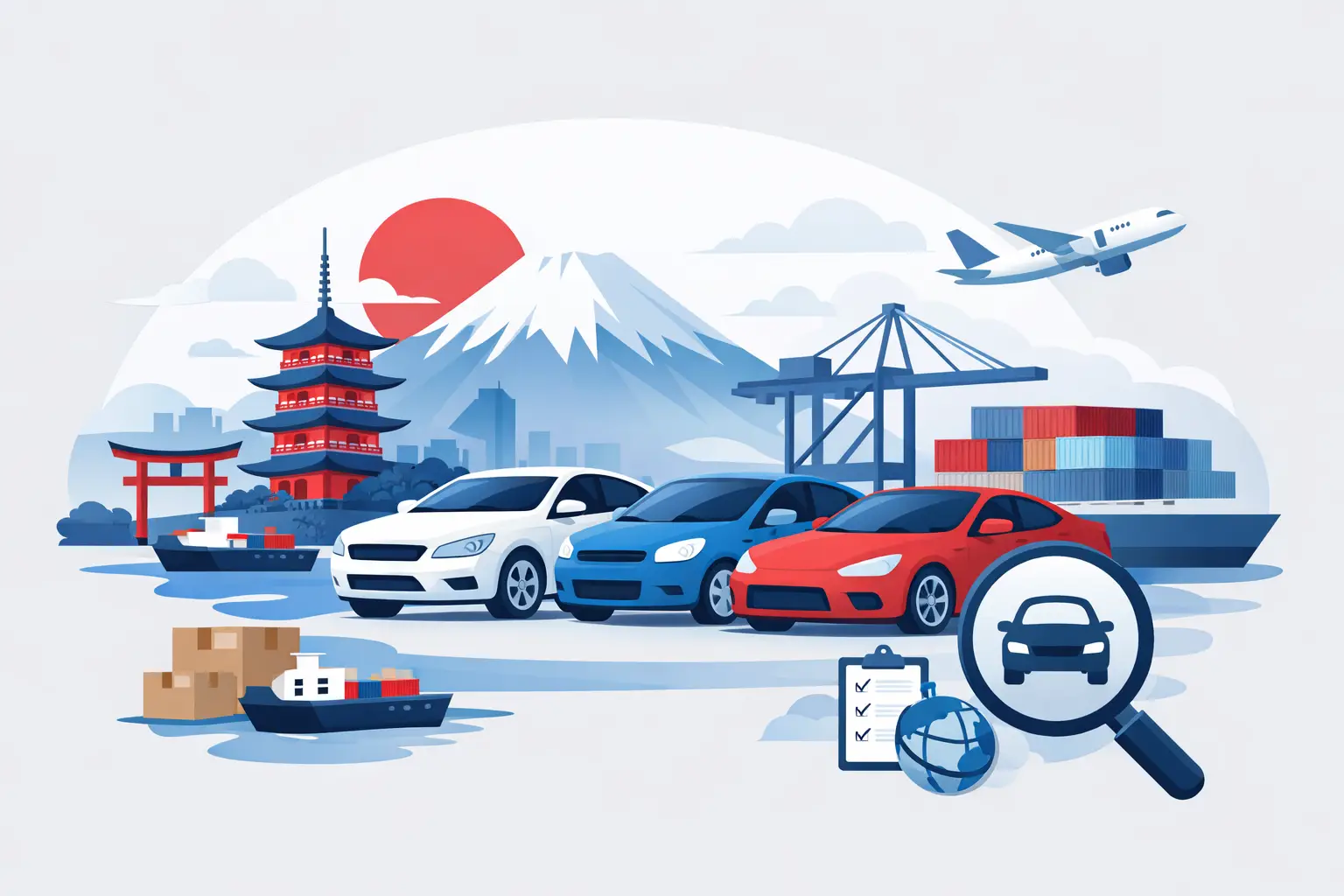
The difference between a great Japan import and an expensive headache usually comes down to what happens before you ever place a bid. If you are serious about learning how to source cars from Japan, the real job is not just finding a vehicle you like. It is knowing where that car came from, how it has been evaluated, what it will truly cost landed, and who is handling the process on your behalf.
That is where many overseas buyers get caught. The Japanese market is packed with opportunity – clean vehicles, strong maintenance culture, rare JDM models, and pricing that can beat local inventory – but access alone is not enough. You need a clear process, honest information, and support that keeps surprises to a minimum.
Why buyers look to Japan in the first place
Japan gives international buyers something local markets often cannot: depth. Whether you want a practical commuter, a low-mileage hybrid, a work truck, or a performance icon, the selection is massive. Auction networks and dealer channels move huge volumes every week, which creates chances to buy smart instead of settling.
There is also the appeal of vehicle condition. Many Japanese domestic market vehicles benefit from regular servicing, good roads, and owner habits that help preserve interiors and drivetrains. That does not mean every car is excellent. It means the odds improve when you know how to read the market properly and verify what you are seeing.
For enthusiasts, the draw is even stronger. Japan is still the source for many authentic JDM cars that are difficult to find elsewhere in the same trim, mileage range, or overall condition. For first-time importers, the value is simpler: better options, competitive prices, and the chance to buy something different from the usual local used car lot inventory.
How to source cars from Japan without guessing
The smartest way to source from Japan is to treat it like a buying system, not a one-click purchase. That system usually starts with defining exactly what you need. Model, year range, engine, transmission, mileage limit, and budget all matter. If your target is too vague, you will waste time looking at cars that never fit your goals.
Once your target is clear, the next step is choosing the right supply channel. In Japan, that generally means auctions, dealer stock, or exporter inventory. Auctions often offer the biggest selection and some of the best pricing, but they move fast and require sharp evaluation. Dealer stock can be more straightforward, though pricing may be less aggressive. Exporter inventory can be convenient when you want a vehicle that has already been shortlisted and prepared for overseas buyers.
This is where a hands-on export partner becomes valuable. Instead of trying to decode Japanese listings, interpret auction remarks, and manage every deadline alone, you work with a team that can screen vehicles, translate key details, explain condition, and help you bid with confidence. For many buyers, that support is the difference between feeling excited and feeling exposed.
Start with the right vehicle criteria
A lot of import problems start with the wrong expectations. Buyers chase the cheapest listing and assume every low price is a bargain. It rarely works that way. A cheaper hammer price can hide repaint history, underbody corrosion, smoke damage, modified wiring, or mechanical issues that turn your deal into a money pit.
Be specific about your non-negotiables. If you are buying a family SUV, auction grade matters differently than if you are chasing a project car. If you are sourcing a performance model, originality, service history, and transmission choice may matter more than cosmetic flaws. If you are a dealer or reseller, you also need to think about what your local market will accept once the car lands.
Budgeting should go beyond the vehicle price. Your real cost includes auction fees, exporter charges, inland transport in Japan, shipping, insurance if selected, destination port costs, customs duties, and compliance-related expenses in your country. A buyer who understands the landed cost can move decisively. A buyer who only watches the bid price often gets burned.
Understanding auctions is the real advantage
If you want to know how to source cars from Japan like an experienced buyer, learn how auctions actually work. Japanese auto auctions are not random marketplaces. They are structured systems where vehicles are listed with inspection sheets, condition notes, mileage information, and grade assessments. Those details are useful, but they are not magic. They still need interpretation.
Auction sheets can reveal accident history, panel replacement, scratches, dents, rust, interior wear, and warning notes from inspectors. Translation matters because one short note can completely change the value of a vehicle. A car that looks brilliant in photos may carry comments that explain hidden risk. On the other hand, a car with average photos may be an excellent buy if the sheet confirms honest condition.
Grades also need context. A higher grade is usually a positive sign, but grading is not the whole story. An older enthusiast car with the right history, clean structure, and good mechanical condition may still be worth pursuing even if the grade is not perfect. That is why experienced screening matters more than chasing one number.
Red flags that deserve a second look
Not every issue is a deal breaker, but some deserve caution. Fresh undercoating can hide corrosion. Heavy modifications can mean hard driving or poor installation quality. Inconsistent mileage records, missing service documentation, and signs of flood exposure should never be brushed aside.
Interior condition can also tell you a lot. Excessive steering wheel wear, torn seats, smoke odor, or damaged trim may indicate a harder life than the odometer suggests. Likewise, mismatched paint or uneven body gaps may point to prior repairs. Some repaired cars are still viable purchases, but only when the repair history is understood and priced accordingly.
This is another reason buyers prefer guided sourcing. When someone experienced reviews the sheet, checks the remarks, and aligns the condition with your budget and expectations, you are making a move based on evidence instead of adrenaline.
Pricing, fees, and the landed cost question
The most confident buyers ask one question early: what will this car cost me at my port? That is the number that matters. It is also where transparency separates serious exporters from the rest.
A clean pricing structure should show the vehicle cost and the service-related costs around it. You want clarity on bidding support, documentation, inland transport, freight arrangement, and any optional services. If the fee structure feels vague, expect trouble later. A trustworthy exporter explains the numbers clearly so you can compare options and stay in control.
Shipping method matters too. Roll-on/roll-off is often cost-effective for standard vehicles, while container shipping may suit higher-value cars, multiple units, or buyers who want additional protection. Neither option is automatically better. It depends on your vehicle, destination, budget, and timeline.
Paperwork can make or break the deal
This part is not glamorous, but it is critical. Export documents, deregistration paperwork, commercial invoices, and shipping paperwork all need to be correct. If one detail is wrong, your vehicle can face delays, extra charges, or customs complications after arrival.
First-time buyers often underestimate this stage. They focus on winning the car, then discover that shipping coordination and document handling are where the pressure really starts. Working with an exporter that manages these steps from auction purchase to port delivery removes a huge amount of friction. SKY MARK AUTO is built around exactly that kind of end-to-end support, which is why buyers who want access to Japan without the chaos tend to value a guided process.
Choosing the right sourcing partner
A good sourcing partner does more than send listings. They help refine your target, flag risky units, translate auction sheets accurately, explain fees, coordinate logistics, and keep communication moving. That support matters even more if you are buying remotely from the US or another export market and cannot inspect cars in person.
Look for responsiveness, transparency, and a clear workflow. Ask how they handle bidding, what documents they provide, and how they communicate condition concerns. If their answers feel slippery, move on. If they are direct and detailed, that is a strong sign you are dealing with professionals.
The best partners also know when to tell you not to buy. That honesty saves money. Sometimes the right move is to skip a questionable car and wait for a better one in the next auction lane.
A smarter way to import the thrill
Sourcing a car from Japan should feel exciting, not risky for the sake of it. The buyers who get the best results are not always the ones chasing the lowest bid. They are the ones who understand the vehicle, trust the process, and work with people who know how to protect their interests from search to shipment.
If you want the real advantage, focus on clarity over hype. The right car will come, and when it does, a disciplined sourcing process lets you bring it home with confidence.