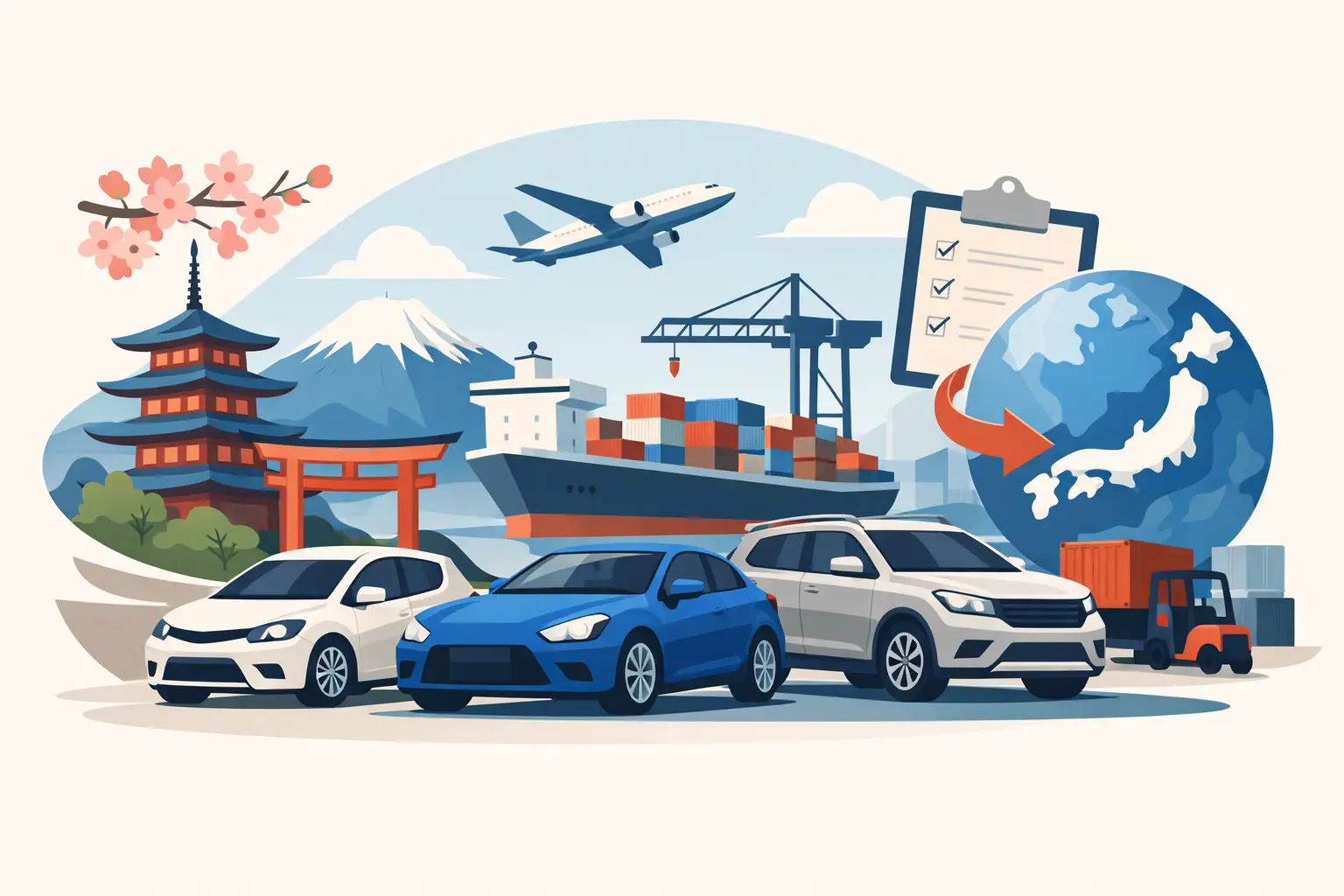
The best wholesale Japanese vehicles are rarely sitting in a small exporter’s showroom waiting to be found. They move through Japan’s dealer networks and live auto auctions every day, often with better condition reports, more trim choices, and sharper pricing than overseas retail listings. If you want to buy japanese cars wholesale, direct access to that supply is the advantage that matters.
For a single enthusiast, a small dealership, or an experienced importer, buying from Japan can open the door to genuine JDM performance cars, practical kei trucks, low-mileage family vehicles, hybrids, and brand-new models. The opportunity is real, but so are the details: auction grades, total landed cost, import rules, shipping schedules, and documentation all need to be handled correctly.
Why Buy Japanese Cars Wholesale From Japan?
Japanese domestic market vehicles are compelling for more than their badges. Japan’s vehicle inspection culture, well-developed road network, and fast ownership cycles often create a deep pool of cars with documented histories and strong overall condition. That does not mean every auction vehicle is perfect. It means buyers have a much broader selection and clearer information when they know how to read it.
Wholesale buying also changes the math. Instead of choosing only from vehicles already imported and marked up by local sellers, you can source closer to the Japanese market. You can target a specific year, mileage range, color, transmission, grade, or budget, then bid when the right vehicle appears. For dealers and resellers, this flexibility can help maintain inventory flow. For private buyers, it can make a long-awaited dream car possible without settling for whatever is available locally.
The trade-off is time. A vehicle may need to be found at auction, won, prepared for export, booked on a vessel, and shipped to your destination port. If you need a car immediately, local inventory may be the better route. If you want selection, authenticity, and buying control, Japan is hard to beat.
The Wholesale Process Starts With the Right Target
Before searching listings, decide what success looks like. Set a vehicle budget, but also set a complete landed-cost budget. The auction hammer price is only one part of the purchase. You may also have auction-related costs, exporter fees, inland transport in Japan, shipping, marine insurance, destination port charges, customs duties, taxes, compliance work, and local transport after arrival.
A low winning bid is exciting, but it is not automatically a low-cost import. An inexpensive vehicle with heavy repairs, expensive parts, or an inconvenient shipping route can cost more than a cleaner example that sells for a little higher. The strongest wholesale buyers stay focused on value, not simply the cheapest number on the auction screen.
Be realistic about your market as well. US buyers considering vehicles under 25 years old must understand federal import eligibility before bidding. A vehicle that is legal to export from Japan is not necessarily eligible for normal road use in the United States. Classic JDM buyers often focus on vehicles that meet the 25-year rule, while newer vehicles may require a different compliance path. Rules can also vary by state, so verify the requirements for your location before you commit.
How to Buy Japanese Cars Wholesale Through Auctions
Japan’s major auto auctions offer an enormous volume of inventory, from everyday Toyota and Honda models to collectible Nissan, Subaru, Mitsubishi, Mazda, and Lexus vehicles. Most auctions are conducted in Japanese and move quickly. This is where a knowledgeable export agent makes a measurable difference.
Read the Auction Sheet Before You Bid
An auction sheet is not marketing copy. It is a condition document prepared for the auction, usually showing the vehicle grade, interior grade, mileage, repair history, inspector comments, and a diagram marking scratches, dents, corrosion, paint issues, or replaced panels.
The grade provides a useful starting point, not a guarantee. A higher-grade car can still have tires near the end of their life, interior wear, or aftermarket modifications that need closer review. A lower-grade car may still be an excellent value if the reasons for the grade are understood and acceptable for your use.
Ask for a translation and a plain-language explanation of any concerns. Pay close attention to accident or repair history, rust, underbody condition, smoking odors, warning lights, mileage notes, and mechanical comments. For collectible or performance-focused models, confirm that key original parts are present if originality affects future value.
Set a Firm Maximum Bid
Live auctions create pressure. A car looks great, the bidding is moving, and it is easy to stretch past the budget. Decide on a maximum bid after reviewing the auction sheet and calculating all known costs. Then let your agent bid within that limit.
This discipline is especially valuable when buying multiple vehicles. One overbid can erase the margin on a resale unit. Missing a car is not failure – another vehicle will appear. Japan’s market rewards patience, and a confident buyer knows when to walk away.
Confirm What Happens After a Win
Once a bid is accepted, the vehicle must be paid for, collected, prepared, and shipped. Your exporter should clearly explain the expected timeline, payment steps, available shipping methods, and documents you will receive. Clear communication after the auction is every bit as valuable as a strong bid before it.
Shipping, Documents, and Port Delivery
Most wholesale imports travel by roll-on/roll-off shipping or in a container. Roll-on/roll-off is often practical for standard running vehicles because the car is driven onto the vessel and secured for transport. Container shipping can suit certain destinations, high-value cars, non-running units, or buyers combining vehicles and parts. The right option depends on your port, budget, vehicle type, and timing.
Export documents commonly include the bill of lading, commercial invoice, export certificate or deregistration paperwork, and any documents needed for customs clearance. Keep every original document organized. Your customs broker, state motor vehicle office, insurer, and future buyer may all need specific records.
A full-service exporter can coordinate the process from auction bid to port delivery, including payment support, inland transport, shipping arrangements, and document preparation. SKY MARK AUTO brings that hands-on support to international buyers who want Japanese market access without being left alone to solve the logistics.
What Smart Wholesale Buyers Check Before Buying
The best import decisions are made before money changes hands. Ask whether the vehicle matches your country’s import rules, whether its condition fits your intended use, and whether the full cost still makes sense after it reaches your driveway or dealership.
For resale, consider local demand instead of buying only what is personally exciting. A rare turbocharged JDM coupe may attract attention, but a clean, dependable SUV, van, kei truck, or hybrid may sell faster in your area. For personal ownership, think about parts availability, service knowledge, insurance, and whether you can comfortably live with right-hand drive if that is new to you.
It also pays to think beyond the first purchase. Buyers who develop a clear process for budgets, inspection standards, shipping records, and customer documentation are better positioned to buy consistently. That is where wholesale sourcing becomes more than a one-time score – it becomes a reliable way to access vehicles your local market cannot offer.
The right Japanese import should feel exciting long before it arrives at the port, but it should also make sense on paper. Choose the vehicle carefully, rely on translated auction intelligence, protect your budget, and work with support that keeps every step visible. Then you can import the thrill with confidence and enjoy the moment your Japanese vehicle finally rolls into your hands.