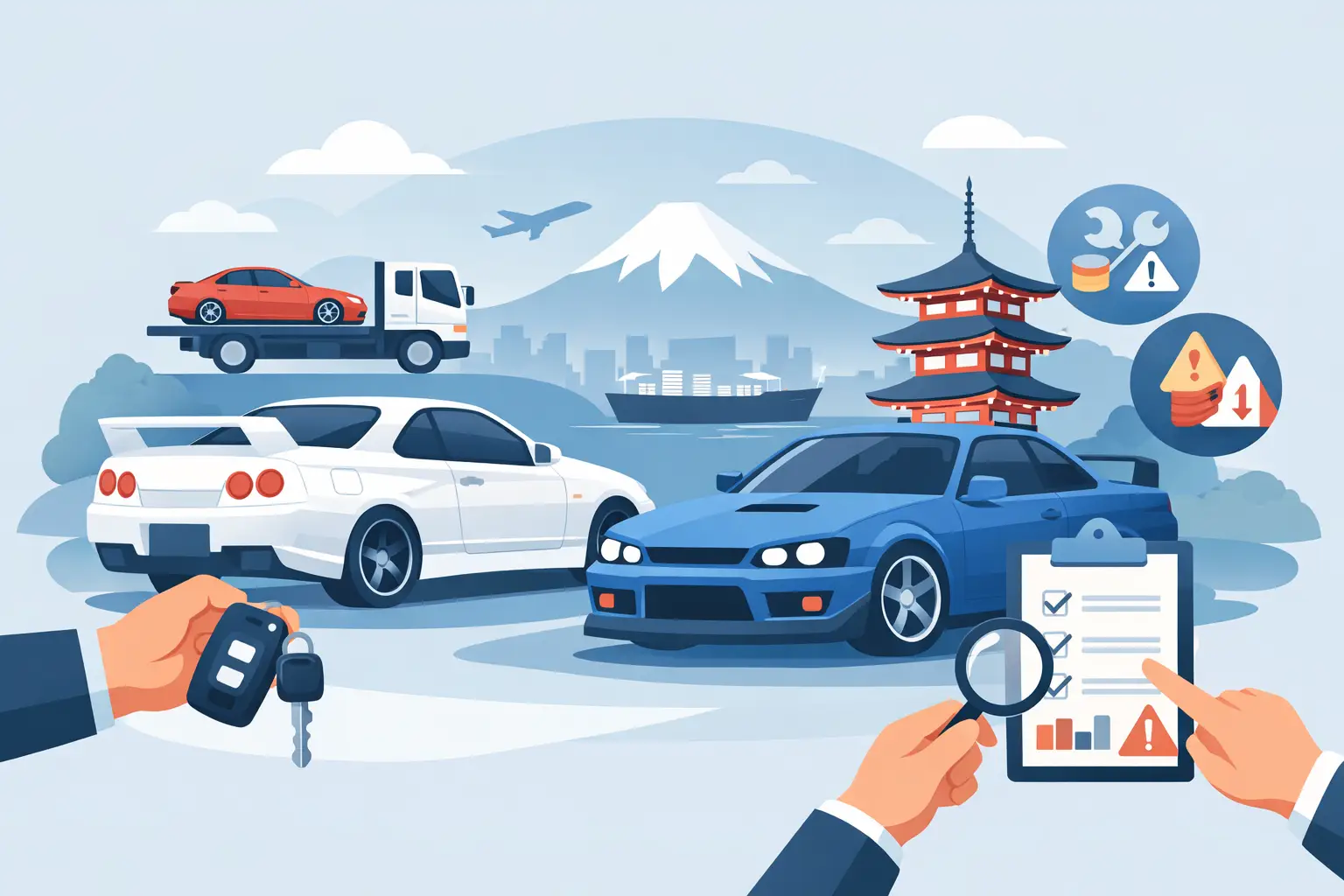
That first moment when you spot the right Skyline, Silvia, Chaser, or Type R in Japan is pure adrenaline. Then reality hits – auctions, export paperwork, shipping timelines, compliance rules, and a hundred ways to overpay if you move too fast. If you are wondering how to buy JDM cars without getting burned, the answer is not luck. It is a clear process, the right checks, and expert support from the start.
JDM buying is exciting because the Japanese market offers serious variety, cleaner cars, and access to models that are hard to find locally. It can also be frustrating if you treat it like buying a car down the street. The Japanese domestic market moves differently. Prices change quickly, auction grades need context, and total landed cost matters more than the hammer price.
How to buy JDM cars the smart way
The smartest buyers start with three questions. What do you actually want the car to do, what is your true all-in budget, and what import rules apply in your country or state? If you cannot answer those clearly, you are not ready to bid yet.
A weekend collector looking for a clean R32 GT-R should shop differently than someone chasing an affordable turbo sedan for daily use. Some buyers want originality. Others want performance potential. Some need left-hand-drive alternatives because registration or insurance can become a headache. There is no single best JDM car. There is only the right car for your goals, budget, and local regulations.
That is why experienced importers do not begin with emotion alone. They begin with eligibility, availability, and ownership cost.
Start with your import rules
Before you fall in love with a listing, confirm that the car can legally enter your market. For US buyers, age-based import eligibility is often the biggest factor. Many true JDM models become much easier to import once they meet the 25-year rule, but federal eligibility is only part of the picture. State registration, emissions requirements, and insurance can still affect whether ownership is practical.
This is where first-time buyers lose money. They focus on the vehicle price and ignore the path to registration. A cheap auction win is not cheap if the car cannot be titled or insured without major hassle.
Set a real budget, not a hopeful one
A JDM purchase is never just the auction price or seller price. Your real budget should include the vehicle cost, auction or agent fees, inland transport in Japan if needed, export charges, ocean freight, insurance, customs duties, port fees, and destination-side clearance. Depending on the car and destination, you may also need maintenance, tires, batteries, fluids, or cosmetic work after arrival.
This is where transparency matters. Buyers deserve to see where the money goes before they commit. The lowest advertised price often hides the highest frustration later.
Choose the right buying channel
If you are serious about how to buy JDM cars, you need to understand where they come from. Most buyers will source through Japanese auto auctions, dealer stock, or direct export inventory.
Auctions offer huge selection and often better value, especially if you want specific trims, colors, or mileage ranges. The trade-off is speed. Good cars move fast, and you need someone who can inspect the auction sheet, interpret condition notes, and place bids accurately.
Dealer stock can be simpler because the car is already listed for retail sale, but pricing is usually firmer. It works well for buyers who want less bidding pressure and more immediate decision-making.
Direct exporter inventory sits somewhere in the middle. It can be a strong option if you want a streamlined path and guidance through the entire purchase, shipping, and documentation process.
What to check before you commit
Photos matter, but they are never enough. A clean camera angle can hide paint fade, rust, seat wear, or underbody issues. Serious buyers rely on documentation first and appearance second.
Read the auction sheet carefully
An auction sheet is one of the most valuable tools in the buying process. It typically shows the vehicle grade, interior grade, recorded mileage, equipment, repair history markers, and handwritten remarks from the inspector. It can reveal scratches, dents, corrosion, panel replacements, and mechanical concerns.
The catch is simple – raw auction grades do not tell the whole story. A grade can sound strong while the notes reveal issues that matter to you. That is why translation and interpretation are so important. A buyer who cannot read the sheet is buying blind.
Verify condition based on your goals
A collector may reject repaint history. A budget-minded buyer may accept cosmetic flaws if the mechanical condition is solid. A tuner might welcome bolt-on modifications, while another buyer wants a factory-original example.
There is no universal pass or fail. The key is matching the car to your plan. The mistake is paying top money for a car that does not fit your priorities.
Pay attention to mileage, but do not worship it
Low mileage sounds great, but maintenance history, storage conditions, and overall care often matter more. An older turbo car with extremely low miles can still need seals, hoses, suspension work, and fluids. Meanwhile, a well-kept higher-mileage car may be the safer buy.
JDM buyers who focus only on mileage often miss better-value cars with stronger real-world condition.
How the buying process usually works
Once you know your target model and budget, the process becomes much more manageable. You identify vehicles that fit your requirements, review the available details, approve a bidding range or purchase price, and move forward through the exporter or buying agent.
If you buy through auction, timing matters. Cars appear and sell quickly. You need responsive communication, translated inspection details, and realistic bidding advice. Sometimes the right move is to push harder for a rare, clean example. Other times the winning strategy is patience.
After purchase, the vehicle enters the export workflow. This is where many overseas buyers realize how much coordination is involved. Payment confirmation, deregistration, port movement, shipping reservation, export documents, and customs paperwork all need to line up correctly. A professional exporter earns trust here, not just at the point of sale.
For many international buyers, this full-service support is the difference between excitement and chaos. SKY MARK AUTO helps bridge that gap by combining auction access, translation support, buying guidance, and export handling in one process built for overseas customers.
Common mistakes when buying JDM cars
The biggest mistake is chasing a dream car before checking legality and landed cost. Right behind that is assuming every auction grade means the same thing in practice.
Another common problem is buying based on hype rather than availability. Some models have become extremely popular, and prices reflect that. If your budget is limited, flexibility can open far better options. A less famous trim, a different transmission, or a similar chassis may deliver more enjoyment for less money.
Buyers also get burned when they ignore destination-side expenses. Port charges, customs broker fees, and local registration costs can sting if you did not plan for them. The car may still be worth it, but surprises are what make the process feel risky.
Then there is impatience. JDM inventory is deep, but the right car is not always available this week. Overbidding on a mediocre example just to be done with the process usually leads to regret.
Why guidance matters in JDM importing
Buying from Japan is not difficult because the cars are bad. It is difficult because the market is fast, the paperwork is technical, and the stakes feel higher when the car is overseas. That is exactly why strong exporter support matters.
A dependable partner helps you narrow your target, review condition honestly, understand fees, place bids with confidence, and move the vehicle through export without guesswork. That kind of support does more than save time. It protects your budget and keeps the experience exciting for the right reasons.
If you have been waiting for the right moment to import the thrill, this is it. The best way to buy JDM cars is to stay clear on your goals, stay realistic on total cost, and work with people who know the Japanese market inside and out. The right car is out there, and getting it home should feel like progress, not a gamble.