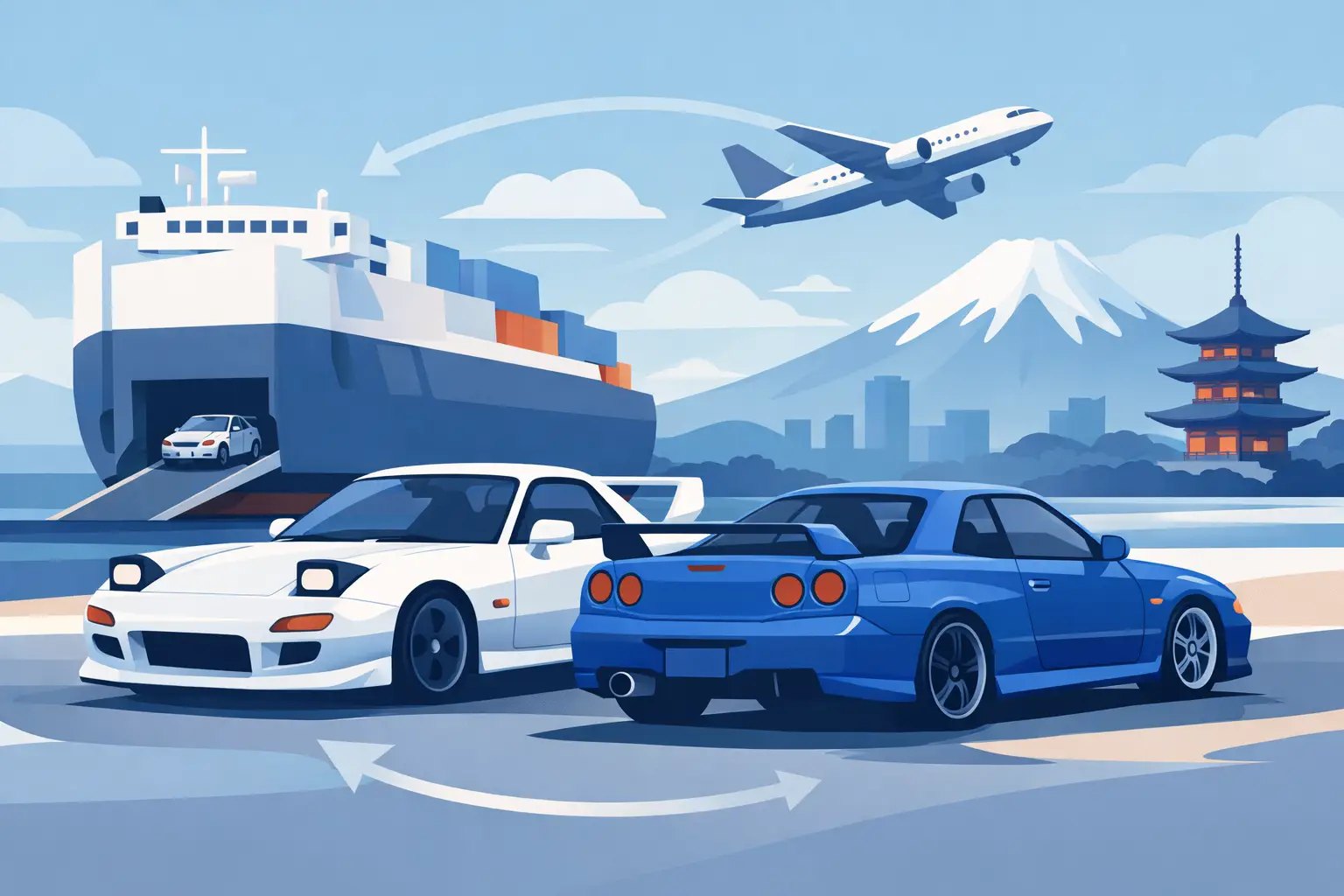
Spot a right-hand-drive Skyline, Chaser, or kei truck on a US road and the same question usually follows: what is a JDM import? For some buyers, it means pure nostalgia and hard-to-find performance. For others, it means access to better-condition Japanese vehicles, unique trims, and pricing that can make more sense than shopping locally. The term gets used loosely, though, and that is where confusion starts.
What is a JDM import?
A JDM import is a vehicle built for the Japanese Domestic Market and then exported from Japan to another country. JDM stands for Japanese Domestic Market, which refers to cars originally manufactured to meet Japan’s regulations, buyer preferences, and road conditions. That means the car was intended for sale and use in Japan first, not the US, Canada, Australia, or Europe.
This distinction matters. A Japanese-brand car sold new in America is not automatically JDM. A US-market Toyota Supra, Honda Civic, or Nissan 370Z may be Japanese by brand, but it is not JDM if it was built for the American market. A true JDM import started life as a Japan-market vehicle.
That is why enthusiasts get specific about the label. They are usually talking about cars with Japan-only trims, right-hand drive layouts, different engines, different equipment packages, or models never officially sold abroad.
Why JDM imports are different from regular imports
All JDM imports are imports, but not every imported Japanese car is JDM. That sounds simple, yet it is one of the biggest misunderstandings in the market.
A regular import could be a Japanese-brand vehicle built for export from day one. A JDM import, on the other hand, was designed around the Japanese market. It may have smaller dimensions, different emissions setup, different safety features, lower mileage patterns, and options tailored to Japanese drivers.
This is also why JDM vehicles often feel special. You are not just buying a car from Japan. You are buying a vehicle that reflects Japan’s domestic automotive culture, from performance legends to practical daily drivers with impressive maintenance history.
What makes a car truly JDM?
A car is generally considered truly JDM when it was manufactured for sale in Japan and carries the specifications of that home market. In practical terms, that often includes right-hand drive, Japanese-language labels, Japan-market VIN or chassis coding systems, and trim levels not offered elsewhere.
Some famous examples include the Nissan Skyline GT-R generations that were never sold new in the US, the Toyota Chaser Tourer V, the Honda Beat, the Suzuki Cappuccino, and a wide range of kei cars and vans. Even within familiar model lines, a Japan-market version can be very different from the one sold overseas.
That said, not every Japanese-market car is high-performance or collectible. Plenty of JDM imports are sensible family cars, compact hatchbacks, diesel vans, and fuel-efficient commuters. For many buyers, the appeal is not just speed or rarity. It is value, condition, and variety.
Why buyers want JDM imports
For enthusiasts, the attraction is obvious. JDM imports offer access to icons that helped define tuner culture and motorsports fandom. Cars like the Silvia, RX-7, Evo, and GT-R built a global following because they delivered a mix of engineering character and exclusivity that local markets often never received.
For practical buyers, the reasons can be even stronger. Japan has a massive used vehicle supply, strict inspection systems, and ownership patterns that often result in cleaner, lower-mileage vehicles. Buyers can find everything from affordable kei trucks to premium luxury sedans and commercial vehicles at compelling prices.
There is also the excitement factor. Import the right vehicle and you are not driving the same thing everyone else has. You get something with a story, a different spec sheet, and a genuine connection to Japan’s automotive market. That feeling is hard to fake.
The part many first-time buyers miss
When people ask what is a JDM import, they are often really asking whether the car is legal, practical, and worth the effort. The answer depends on the vehicle and the destination country.
In the US, age plays a major role. Many Japan-market vehicles become eligible for import under the 25-year rule, which allows certain vehicles that are at least 25 years old to enter without needing to meet all current US safety standards. That is why older Skylines, Supras, and kei cars have become so popular.
But eligibility is only one piece of the process. You still need to think about shipping, customs, paperwork, state registration, and parts support. A JDM import can be an amazing buy, but it is not a casual purchase. The smart move is to treat it like a project with real logistics behind it.
How the JDM import process usually works
The process starts with sourcing. Buyers typically choose from dealer stock, export inventory, or live Japanese auto auctions. Auctions are especially attractive because they offer massive selection across performance cars, commuter vehicles, commercial units, and rare finds.
Once a vehicle is identified, the next step is checking the auction sheet or inspection details. This is where condition, accident history, mileage, interior grade, and exterior grade matter. A car that looks excellent in photos may tell a different story once the inspection notes are translated properly.
After purchase, the vehicle moves through payment, export documentation, shipping booking, port handling, and customs preparation. Depending on the destination, there may also be emissions forms, import duties, broker coordination, and local registration steps. This is why experienced support matters. A great car can become a frustrating transaction if the paperwork is mishandled.
Common myths about JDM imports
One myth is that all JDM cars are modified street racers. That is far from reality. Many are stock, well-kept, and used as normal transportation in Japan.
Another myth is that every JDM import is cheap. Some are, especially practical models and commercial vehicles. But highly desirable performance cars can be expensive, and prices have climbed sharply for certain legends.
There is also the idea that JDM automatically means better. Sometimes it does mean better value or a more interesting spec. Sometimes it means trade-offs, like harder-to-source parts, right-hand-drive adjustment, or older infotainment and navigation systems that were built for Japan.
Is a JDM import right for you?
It depends on what you want from ownership. If you want a rare car with character and do not mind doing some homework, a JDM import can be incredibly rewarding. If you want the easiest possible maintenance experience and same-day local parts for everything, a domestic-market vehicle may be the better fit.
Budget matters too. Some buyers focus only on auction price and forget the full landed cost. Shipping, port fees, customs, registration, compliance-related expenses, and maintenance after arrival all need to be considered. The best purchase is not always the cheapest unit. It is the one that still makes sense after every cost is on the table.
For first-time buyers, guidance can make the difference between excitement and expensive mistakes. That is especially true when reading auction reports, comparing grades, and understanding how a vehicle’s history affects long-term value.
What to look for before you buy
Condition should always come first. Mileage matters, but service history, rust exposure, accident record, and overall auction grading often tell you more than the odometer alone. Japan offers many clean vehicles, but buyers still need to filter carefully.
You should also think about your end goal. Are you buying a collector car, a weekend toy, a daily driver, or a resale unit for your business? The right model for one purpose may be completely wrong for another.
It also helps to work with an exporter that can explain fees clearly, translate inspection data accurately, and handle the shipping process from purchase to port. That support removes guesswork and protects your budget. For buyers who want direct access to Japan’s market without trying to manage auctions and export procedures alone, that kind of end-to-end help is where the experience becomes far more manageable.
The real meaning behind JDM ownership
A JDM import is more than a car shipped from Japan. It is a vehicle built for a specific market, carrying its own specs, identity, and appeal. Sometimes that means legendary performance. Sometimes it means surprising affordability. Often, it means getting access to models and trims your local market never offered.
If you are serious about owning something authentic from Japan, the best approach is simple: know what qualifies as JDM, understand the import path, and buy with clear eyes. The thrill is real, but the smartest buyers pair that excitement with solid information. That is how you Embrace the Drive with confidence, not guesswork.