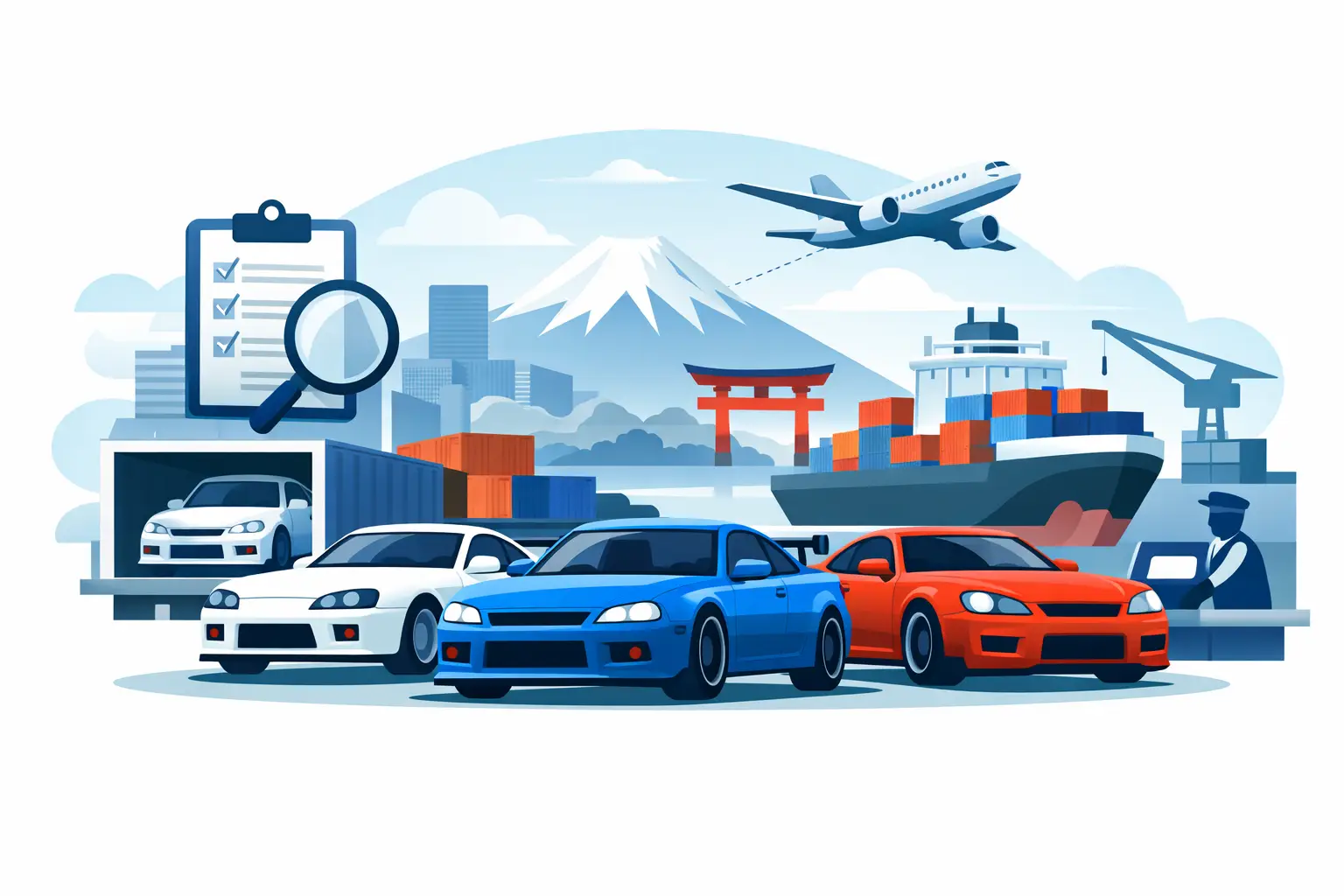
The best JDM stories usually start the same way – someone spots the right car in Japan, sees the price, and realizes the local market back home cannot compete. That is the appeal of jdm cars import in one sentence. You get access to real Japanese domestic market inventory, stronger model variety, and the chance to buy vehicles that were never common in the US in the first place.
But excitement alone is not enough. Importing from Japan can be smooth, affordable, and rewarding, or it can turn into a costly mess if you do not understand auctions, paperwork, shipping, and eligibility rules. If you are serious about buying a JDM vehicle, the smartest move is to understand how the process really works before you bid on anything.
Why jdm cars import attracts serious buyers
People do not look to Japan just for novelty. They look because the Japanese market offers depth. Enthusiasts want icons like the Skyline, Silvia, Chaser, Supra, RX-7, and EVO. Practical buyers look for clean sedans, vans, kei trucks, and efficient daily drivers with better condition than many equivalent vehicles in the US market. Dealers and resellers look for margin, and Japan often gives them more room to work with.
There is also the condition factor. Many used vehicles in Japan have lower mileage, better maintenance records, and cleaner interiors than buyers expect. That does not mean every car is perfect. It means the pool is larger, the standards can be better, and the odds improve when you have access to auction data and expert support.
The real value of a JDM import is not just finding a desirable model. It is being able to source it directly, review its condition honestly, and move it from Japan to your destination without getting buried in avoidable mistakes.
What the jdm cars import process actually looks like
From the outside, importing a car can seem simple. Pick a car, pay for it, ship it, and wait. In practice, there are several moving parts, and each one matters.
The process usually starts with sourcing. Buyers either select a vehicle from available stock or choose from live Japanese auto auctions. Auctions are where many of the best opportunities are found because the selection is massive and constantly changing. That is also where inexperience can cost you money. Auction sheets are written in Japanese, grading needs context, and photos never tell the whole story.
Once you identify a vehicle, the next step is evaluation. This is where translated auction sheets, condition checks, and pricing guidance become essential. A grade 4 car can be a great purchase, but the details matter. Scratches, repairs, corrosion, interior wear, and aftermarket modifications all affect whether the car is a smart buy or a future headache.
After that comes bidding or purchase confirmation. If you win the auction or secure the vehicle, payment is arranged and export preparation begins. This includes inland transport in Japan, port handling, customs clearance on the Japan side, shipping booking, and document preparation.
Then the vehicle is loaded for export and shipped to your destination port. Depending on the destination, you may need to handle local customs entry, duties, taxes, compliance checks, and final delivery after arrival. This is why a hands-on export partner matters. The car itself is only part of the transaction. The paperwork and logistics are where confidence is either built or destroyed.
The biggest mistake first-time buyers make
The biggest mistake is focusing only on the hammer price.
A car that looks cheap at auction is not automatically a bargain by the time it lands in the US. Your total landed cost can include auction fees, agent fees, inland transport, export charges, ocean freight, insurance, port fees, customs duties, and local registration costs. If the vehicle needs compliance work or repairs after arrival, the budget moves again.
That does not mean importing is too expensive. It means smart buyers look at the full number, not the headline number. When you work with transparent pricing and clear fee explanations, you can judge value properly. Without that, it is easy to chase a low auction result and end up over budget.
How to judge whether a JDM car is worth importing
Not every popular model is a good import candidate. Some are overpriced because hype has outrun value. Others are great cars but make less sense once freight and import costs are added. The right choice depends on your goal.
If you are buying for personal enjoyment, rarity and emotional value may outweigh pure economics. If you have wanted an R34 Skyline for years, the point is not just getting the cheapest possible car. It is getting the right car with the right history and condition. If you are buying for resale, the math is harsher. You need enough room after shipping, duties, and reconditioning to justify the effort.
Eligibility is another major factor. In the US, the 25-year import rule shapes the market. Many buyers already know the rule exists, but they do not always realize how precise timing matters. Build date matters. Documentation matters. Market demand matters too. A legal import that arrives at the right moment can be a strong buy. One that misses the timing or lacks proper records can create delays and frustration.
Why auction access changes everything
If you only shop from limited retail listings, you are seeing a narrow slice of the Japanese market. Auction access opens the door to a much wider pool of vehicles, from collector-grade performance cars to affordable daily drivers and commercial units.
That wider pool creates leverage. More choice means better odds of finding the right color, transmission, trim, mileage range, and condition level. It also helps buyers avoid overpaying for the first decent example they see.
Still, auction access without guidance is not enough. The speed of the market can pressure buyers into rushed decisions. A clean translation of the auction sheet, a realistic condition assessment, and bidding advice based on actual market movement make a major difference. This is where service matters. The goal is not just to place bids. The goal is to buy well.
What a reliable importer should handle
A dependable export partner should do more than forward invoices. Buyers need real support from selection to shipment.
That means helping source vehicles, translating auction sheets, explaining grades and remarks, setting realistic bidding expectations, and managing purchase steps after the sale. It also means handling logistics in Japan with precision – transport to port, export documentation, customs procedures, and shipping coordination.
For international buyers, communication is just as important as logistics. You should not be left guessing what happens after payment or wondering where your vehicle is in the process. Clear updates, transparent charges, and multilingual support remove stress from a transaction that already has enough moving parts.
This is where companies like SKY MARK AUTO stand out. The process becomes more than a purchase. It becomes a guided import experience built around access, transparency, and practical support.
The trade-offs buyers should understand
There is no perfect import formula. If you want the rarest spec, you may wait longer and pay more. If you want the lowest possible price, you may need to accept cosmetic flaws or higher mileage. If you want fast shipping, freight rates may not be ideal at that moment.
There is also a balance between risk and reward. Auction cars can offer excellent value, but they require better judgment. Dealer stock can feel easier, but pricing may be less aggressive. Some buyers want a project. Others want a near-turnkey car. The right path depends on your budget, timeline, and tolerance for post-arrival work.
The strongest buying decisions come from knowing what you are optimizing for. A buyer chasing a collectible icon should not use the same filters as someone sourcing a fuel-efficient commuter or inventory for resale.
Is jdm cars import still worth it?
Yes – if you approach it with the right expectations and the right support.
The Japanese market still offers real opportunity for enthusiasts, first-time importers, and dealers who want better selection and stronger value. The thrill is real, but so is the need for discipline. Good imports are built on accurate information, honest vehicle evaluation, and a process that covers more than just the purchase price.
When done right, importing from Japan gives you something the domestic market often cannot – direct access to authentic JDM vehicles, clearer sourcing options, and the chance to buy with purpose instead of settling for what happens to be available locally.
If you are ready to import the thrill, start by treating the process with the same respect you give the car itself. The right vehicle is out there. The smart move is making sure it reaches you the right way.